The digital world is developing rapidly today, which creates new cybersecurity dangers for every organization. Real threats to organizations come from diverse sources, which include data breaches, ransomware, insider threats, and supply chain vulnerabilities. The answer for many organizations lies in a structured, proactive approach, and that’s where cybersecurity compliance a guide for businesses becomes an indispensable resource.
Did you know? Organizations with poor cybersecurity compliance actually pay more when breaches happen.
Singular Security serves as a dedicated cybersecurity partner that assists businesses in handling their most challenging security needs. Organizations use their expertise to achieve compliance with international standards while establishing rigorous security measures that protect against cyber threats.
Key Takeaways
- Cybersecurity compliance serves as an essential measure that protects businesses from risks while stopping security breaches.
- The process of compliance needs ongoing monitoring, together with continuous improvements, instead of being treated as a single task.
- Different industries and geographical locations, together with their specific data protection needs, establish different compliance requirements.
- Companies that demonstrate compliance with regulations gain increased trust from clients, regulators, and all other stakeholders.
- Organizations can achieve cost savings through proactive compliance, which minimizes expenses associated with security breaches, financial penalties, and damage to their reputation.
Understanding Cybersecurity Compliance Requirements in Today’s Business Environment
Every business needs to establish its security framework after determining its applicable regulatory requirements and security standards. The cybersecurity compliance requirements differ according to the industry, geographical location, and data types that an organization manages.
- Risk Assessment: Security personnel need to identify and assess all potential threats that target their sensitive information and critical systems.
- Policy Development: The team needs to create internal policies that organizations must enforce to meet their industry-specific regulatory requirements.
- Access Controls: The system restricts data access to users who possess authorized status through their specific role-based access rights.
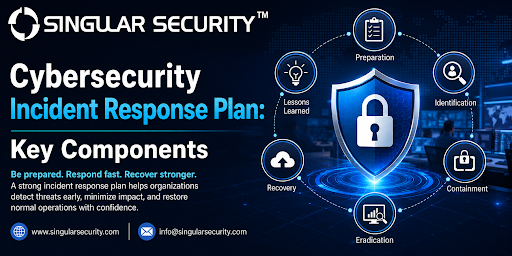
- Incident Response Planning: The team develops organized procedures for security incidents that require immediate response.
- Audit & Documentation: The organization needs to keep all compliance-related logs, records, and evidence throughout the audit process.
The absence of business knowledge regarding cybersecurity compliance requirements presents a threat, which leads to non-compliance penalties and reputational damage, and makes businesses more susceptible to security breaches.
Cybersecurity Compliance Solutions: Building the Right Framework
The process begins with implementation after the team has completely comprehended all requirements. The organization requires customized cybersecurity compliance solutions because they need to address specific security needs.
The main elements that make compliance solutions effective function as follows.
- Automated Compliance Monitoring: Continuous scanning and alerting tools that flag non-compliant activities in real time.
- Security Information and Event Management (SIEM): Centralized log management and threat detection across the entire IT environment.
- The process of Vulnerability Management Programs includes regular scanning procedures, which lead to patching activities and subsequent remediation steps to decrease exploitable weaknesses.
- Third-Party Risk Management: Evaluating vendor and partner security postures to prevent supply chain risks.
- Employee Training and Awareness: Building a human firewall through regular security education and phishing simulations.
Organizations that invest in robust cybersecurity compliance solutions experience three benefits, which include fewer security breaches, quicker threat detection, and greater trust from their stakeholders.
The Strategic Link Between Compliance and Risk Management
Many businesses consider compliance and risk management as two distinct fields of work. Their actual relationship shows that they are fundamentally connected. Compliance establishes fundamental regulations that include rules and controls and necessary documentation.
The compliance framework requires organizations to focus their resources on addressing their most critical security threats. The compliance cyber security frameworks enable businesses to identify their most significant risks while they maintain operational resources and provide proof of proper security measures for regulatory and audit requirements.
The strategic alignment process between compliance and risk management involves following these steps:
- Threat Modeling: The process of identifying attack scenarios that are pertinent to the business and linking them to compliance deficiencies.
- Control Prioritization: Security controls should be ranked according to their ability to protect against the threats that pose the greatest danger.
- Continuous Improvement Cycles: Organizations develop their compliance program through the use of audit results and incident reports, which show them how to improve their program.
- Executive Reporting: Technical risk information is transformed into business terms, which enables board members and C-suite executives to understand it.
How Businesses Can Navigate Cybersecurity Compliance: A Guide for Businesses

Organizations need a roadmap when they start or reconsider their compliance requirements. Cybersecurity compliance a guide for businesses starts with understanding that compliance is an ongoing journey, not a destination. The following process presents an effective method to achieve results:
- Step 1 – Scoping: Define what data, systems, and processes fall within your compliance boundary.
- Step 2 – Gap Analysis: Compare your current security controls against the requirements of applicable frameworks.
- Step 3 – Remediation Planning: The process involves establishing control measures that will address the detected security vulnerabilities through a prioritized implementation schedule.
- Step 4 – Policy & Procedure Documentation: Security measures need to be documented in official policies, which employees must receive training on.
- Step 5 – Implementation & Testing: The process involves implementing control measures, testing their performance, and confirming results through internal audits.
- Step 6 – Third-Party Audit: Certified auditors perform assessments to determine readiness for compliance and provide certification results.
- Step 7 – Continuous Monitoring: Organizations maintain their compliance status through continuous monitoring activities combined with employee training programs and yearly compliance assessments.
This structured process ensures that compliance is approached systematically rather than reactively. The journey to success advances at a faster pace when organizations partner with experts who possess both technical expertise and regulatory knowledge, like the team at Singular Security.
Cybersecurity Compliance Requirements: Sector-Specific Considerations
Different industries follow compliance rules that apply to all organizations but have distinct requirements. A healthcare provider faces very different obligations than a fintech startup or a retail chain.
The requirements for each industry highlight important compliance requirements, which include the following:
- Healthcare (HIPAA/HITECH): Stringent protections for Protected Health Information (PHI), breach notification obligations, and BAA agreements with vendors.
- Financial Services (PCI-DSS, SOX, GLBA): Organizations need to establish strict security measures that protect cardholder data environments and ensure proper financial reporting and data privacy.
- Government & Defense (FedRAMP, CMMC): Federal cloud environments and defense contractor supply chains use multiple security measures for their protection.
- Retail & E-Commerce: Companies must meet both PCI-DSS requirements for payment processing and GDPR/CCPA requirements for handling customer information.
- Technology & SaaS: Organizations need to achieve SOC 2 Type II certification and ISO 27001 certification while following different privacy laws for their customer data operations.
The compliance requirement of every industry aims to protect sensitive information, which businesses need to operate effectively while gaining trust from their stakeholders.
Why Investing in Cybersecurity Compliance Solutions Pays Off
The ROI of compliance spending creates doubt for skeptics, especially when they examine small and medium-sized businesses that operate with restricted financial resources. However, the data tells a compelling story. The average cost of a data breach globally is in the millions, and the reputational damage can far outlast the financial hit. Organizations that make security compliance investments through cybersecurity solutions create long-term business advantages that cost less than their breach response expenses.
The tangible benefits of investing in compliance include:
- Reduced Breach Risk: Compliance-driven controls directly reduce the attack surface exploitable by threat actors.
- Lower Cyber Insurance Premiums: Demonstrated compliance posture often leads to more favorable underwriting terms.
- Faster Sales Cycles: Enterprise customers increasingly require evidence of compliance before signing contracts.
- Regulatory Fine Avoidance: Organizations that comply with GDPR regulations will escape fines that can reach 4% of their total annual worldwide revenue.
- Employee Trust & Retention: Staff feel more secure working in organizations that take data protection seriously.
Making Compliance Your Competitive Advantage
The cybersecurity compliance guide for businesses provides essential requirements that businesses need to follow the detailed requirements for different sectors. The path forward is clear: understand your obligations, implement the right controls, and never stop improving.
Singular Security helps organizations that want to develop stronger security measures through its expertise in cybersecurity compliance solutions, regulatory frameworks, and risk management strategies.
Read Related Blog:-
How to Identify and Mitigate Risks Through a Compliance Risk Assessment Process
Frequently Asked Questions
Q1. What is cybersecurity compliance?
Cybersecurity compliance refers to the process of achieving compliance with regulatory requirements and industry standards that protect digital assets, computer systems, and network infrastructure from cyber threats.
Q2. Why are cybersecurity compliance requirements important?
The requirements enable organizations to prevent legal penalties and decrease the risk of security breaches while establishing trust with their customers and business partners.
Q3. What are common cybersecurity compliance frameworks?
The standards ISO 27001, SOC 2, GDPR, HIPAA, and PCI-DSS serve as examples of cybersecurity compliance frameworks.
Q4. What do cybersecurity compliance solutions include?
The standard components of cybersecurity compliance solutions consist of risk assessments and monitoring tools, access controls, incident response planning, and employee training.
Q5. How often should compliance be reviewed?
Organizations must conduct ongoing compliance monitoring, which requires them to perform formal audits or reviews at least once per year.