
Cyber threats don’t wait and neither should your strategy. Businesses today know it’s not if an attack will happen, but when. Singular Security helps you stay ahead by turning uncertainty into control. By identifying risks, strengthening access, and improving visibility, it builds a proactive defense that protects what matters most.
“Did You Know? According to an IBM Security Cost of a Data Breach Report, the average time to identify and contain a data breach is 277 days — but organizations using continuous monitoring reduce this timeline significantly.”
What Exactly is Cyber Security Continuous Monitoring?
Cyber security continuous monitoring is the ongoing process of observing, analyzing, and responding to security events across your systems in real time. Instead of periodic checks, this approach keeps your organization under constant watch 24/7.
It helps detect unusual behavior, identify vulnerabilities, and respond to threats before they escalate into full-blown breaches. In simple terms, it’s like having a security guard who never sleeps.
Why Modern Businesses Can’t Afford to Ignore This
Cyber threats are evolving every second. Traditional security methods simply can’t keep up anymore. Here’s why adopting cyber security continuous monitoring is no longer optional:
- Detect threats instantly before damage spreads
- Reduce downtime and financial loss
- Stay compliant with industry regulations
- Build trust with customers and stakeholders
Power Tip: The faster you detect a threat, the cheaper it is to fix.
How Does Continuous Monitoring Actually Work?
Let’s break it down in a simple, practical way.
1. Data Collection Across Systems
Your network, endpoints, cloud, and applications constantly generate data.
- Logs from servers and firewalls
- User activity and access patterns
- Application behavior
2. Analysis Using Advanced Technologies
This is where intelligence kicks in.
- AI and machine learning detect anomalies
- Behavior analytics identifies suspicious actions
- Automated systems flag potential risks
3. Immediate Response Mechanisms
Once a threat is detected, action is taken instantly.
- Alerts sent to security teams
- Automated containment of threats
- Incident response protocols triggered
Quick Insight: Speed is everything minutes can make or break your defense.
The Role of Modern Tools in Monitoring
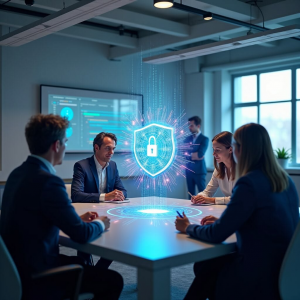
To make monitoring effective, businesses rely on powerful security monitoring tools that provide visibility and control across the IT environment.
These tools help:
- Centralize security data in one dashboard
- Automate threat detection and response
- Provide actionable insights for decision-making
Real-Time Protection: Why It Matters More Than Ever
In a world where attacks happen in seconds, real-time threat monitoring ensures your defenses are always active.
Here’s what it brings to the table:
- Instant detection of suspicious activity
- Faster response to minimize impact
- Continuous visibility into your security posture
Don’t just react stay one step ahead of attackers.
Key Benefits That Drive Business Growth
Continuous monitoring isn’t just about security it’s about business resilience.
Stronger Risk Management
- Identify vulnerabilities before attackers do
- Reduce exposure to cyber threats
Improved Compliance
- Meet regulatory requirements.
- Maintain audit-ready security posture
Enhanced Operational Efficiency
- Automate repetitive security tasks
- Allow teams to focus on strategic initiatives
Midway Reality Check: Are You Truly Protected?
Many businesses believe they are secure until an incident proves otherwise. This is where Singular Security helps organizations transform uncertainty into confidence.
By implementing cybersecurity monitoring services, businesses gain:
- 24/7 visibility across all systems
- Expert-led threat detection and response
- Scalable solutions tailored to growth
Related Blog:-
Benefits of 24/7 SOC Monitoring Services for Modern Businesses
Challenges You Might Face (And How to Overcome Them)
Let’s be honest implementing continuous monitoring isn’t always easy.
Common Challenges
- Lack of skilled cybersecurity professionals
- Managing large volumes of data
- Integration with existing systems
Smart Solutions
- Partner with experts for managed services
- Use automation to reduce manual workload
- Adopt scalable monitoring frameworks
Pro Tip: The right partner can turn complexity into clarity.
Best Practices to Maximize Your Security Strategy
Want to get the most out of your monitoring efforts? Follow these proven strategies:
- Define clear security policies and objectives
- Regularly update and patch systems
- Train employees on security awareness
- Integrate monitoring with incident response plans
For deeper insights, explore how to perform a cyber security audit to strengthen your overall defense posture.
Future of Cyber Monitoring: What’s Coming Next?
The future is smarter, faster, and more automated.
- AI-driven threat prediction
- Zero Trust security models
- Advanced automation and orchestration
Businesses adopting these trends today will lead tomorrow.
Ready to Stay Protected 24/7?
Cyber threats are constantly evolving—and your defence needs to evolve with them. Continuous monitoring is no longer optional; it’s essential for maintaining security and resilience in today’s digital landscape.
With the right strategy, technology, and cybersecurity partner, businesses can transform cyber risks into manageable and controlled challenges.
Singular Security helps organisations move from reactive security to proactive protection keeping your business secure, compliant, and prepared for the future. Contact Singular Security today to strengthen your cybersecurity posture.
Frequently Asked Questions
Q1. What is the main goal of continuous monitoring?
The goal is to detect and respond to threats in real time before they cause significant damage.
Q2. Is continuous monitoring suitable for small businesses?
Yes, it helps small businesses prevent costly breaches and maintain security without large in-house teams.
Q3. How is it different from traditional security?
Traditional security is periodic; continuous monitoring is ongoing and proactive.
Q4. Do I need special tools for implementation?
Yes, modern security monitoring tools are essential for effective monitoring and automation.
Q5. Can monitoring prevent all cyberattacks?
No system is 100% foolproof, but it significantly reduces risk and impact.